

World Expo
Riyadh
The visible event. The unseen delivery.
Everyone sees the pavilions, but the work that decides them happens in the years of procurement before the gates open.
The World Expo in Riyadh runs for 182 days, from 1 October 2030 to 31 March 2031.
Foresight means reading early signals across technology, climate, demographics and human behaviour, then testing decisions against several plausible futures before one of them arrives.
Five sub-themes carry it: Technology, Planet, Humanity, Culture and Collaboration.
For anyone planning to participate or supply, the theme is the procurement brief. Pavilion concepts, content programmes and supplier bids will be judged against those five sub-themes. A product catalogue loses to a proposal that answers a foresight question.
Each country will be represented either through a self-built pavilion (funded by the participating country) or an aided pavilion (funded by the organiser). This is where much of the $13bn estimated budget will be concentrated.
Procurement then runs well past opening day, from host infrastructure and pavilion fit-out to catering, staffing, technology and programming across the whole six months of live operation.
Positioning for both windows starts now.
The scale, and where it sits.
The budget is large and public.
The point worth knowing is which layer it flows through, and when.
42M+
Visits Expected
Six months of sustained demand across hospitality, mobility, retail, and experiences across 42m+ expected visits.
Source: expo2030riyadh.sa
197
Participating Nations
Each participating nation commissions and procures its own pavilion, at varying scale, alongside anchor corporate pavilions and thematic build.
Source: expo2030riyadh.sa
230+
Pavilions
Every pavilion is a separate commission: design, build, fit-out, operations and staffing, each on its own procurement timetable.
Source: expo2030riyadh.sa
6 sq km
Total Expo Site Footprint
National pavilions are planned across the 6 sq km masterplan site, with predictable demand: design, build, operations, technology and content.
Source: expo2030riyadh.sa
~70%
Private-Sector Share of Spend
Around 70% of total Expo spend runs through private-sector contracts, from pavilion delivery and fit-out to technology, hospitality and operations.
$13bn
Total Direct Budget (est)
The $13bn direct budget combines PIF capital funding with the expected international participation budget, across a multi-year cycle of pavilion, infrastructure, hospitality and operations contracting.
“Six square kilometres, six months, 197 participating nations, 230+ pavilions. The site is the easy part to picture. The hard part is that every one of those participants is buying the same categories from the same market at the same time.”

The Pavilion Lifecycle
Knowing where a country sits tells you where the opportunity is.
Every national pavilion moves through the same journey.
It runs from invitation to legacy, over 36 to 48 months.
The earliest steps, before a delivery vehicle is appointed, decide who shapes everything after them.
We read where each country sits, and what that opens.
Where the opportunities sit.
Every pavilion and every operation is assembled from defined sectors. Find yours, and the path to a contract becomes specific.
Built Environment
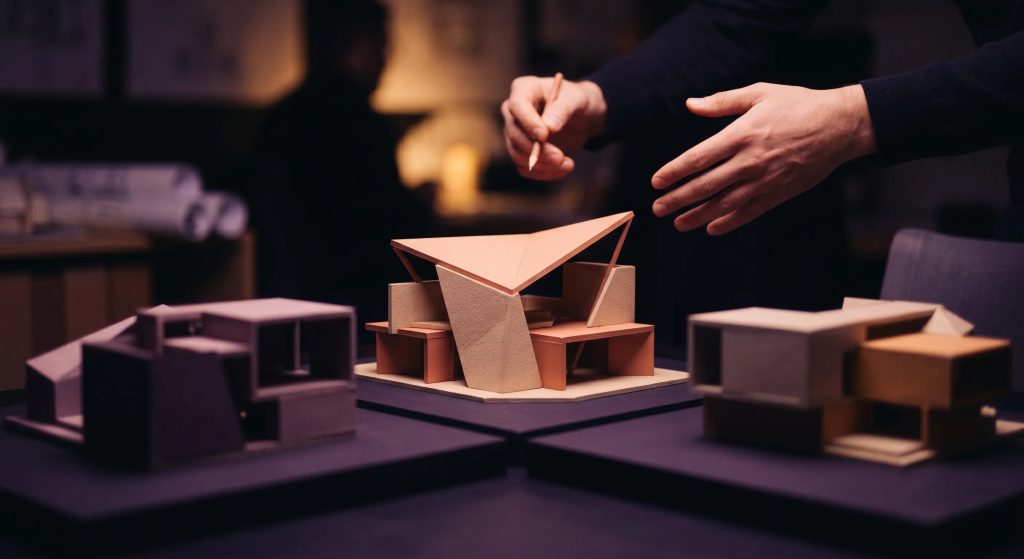
Masterplanning, civils, infrastructure, sustainability and utilities.
Digital, AI and Smart Infrastructure
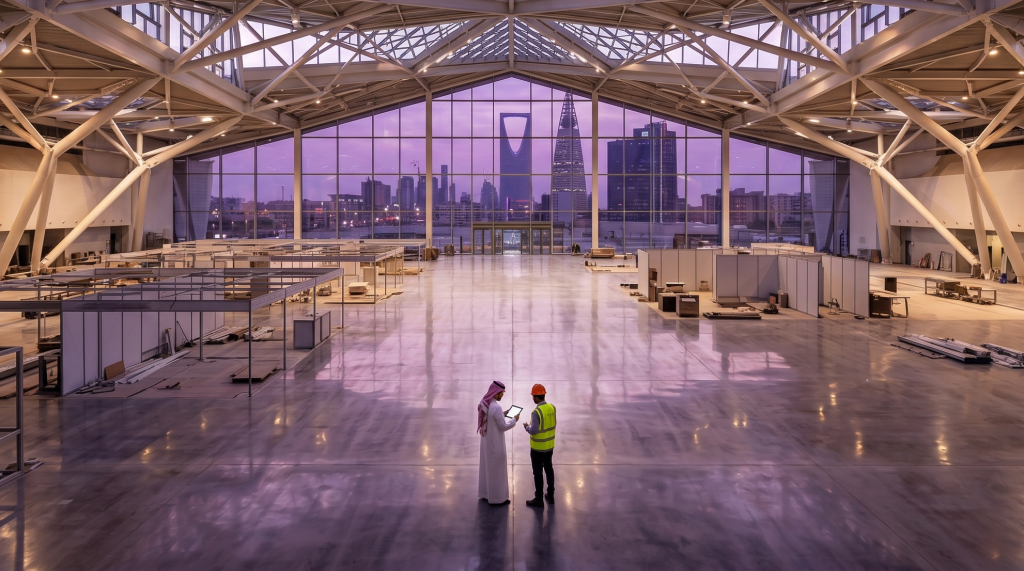
Smart-city systems, data platforms, connectivity, cyber security and ticketing.
Live Operations
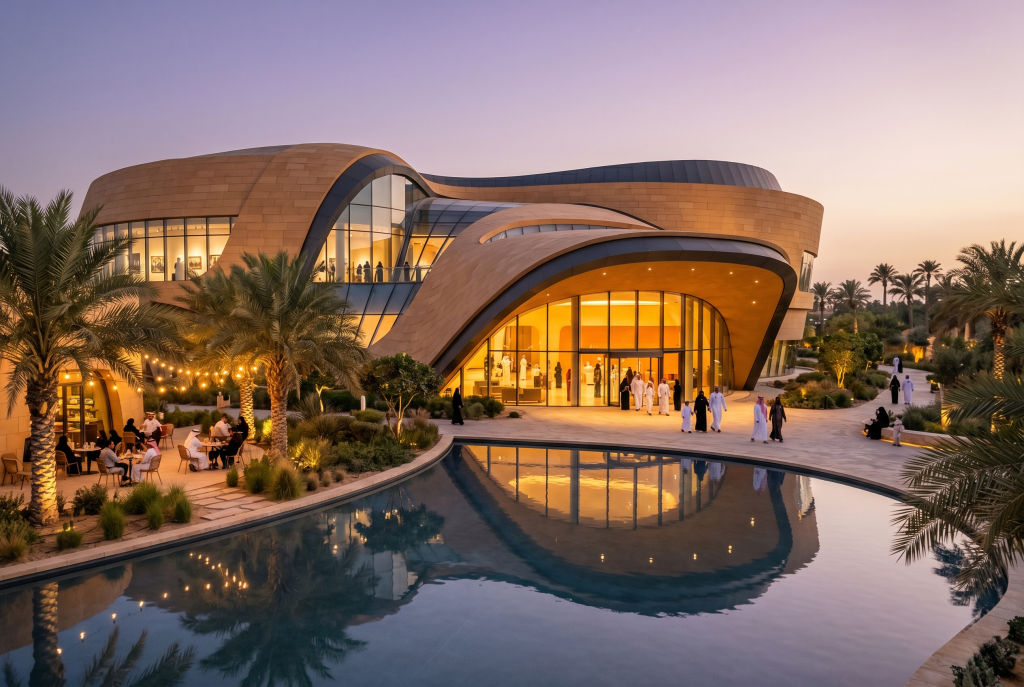
Venue management, security, mobility, logistics and supply chain.
Pavilions and Experience
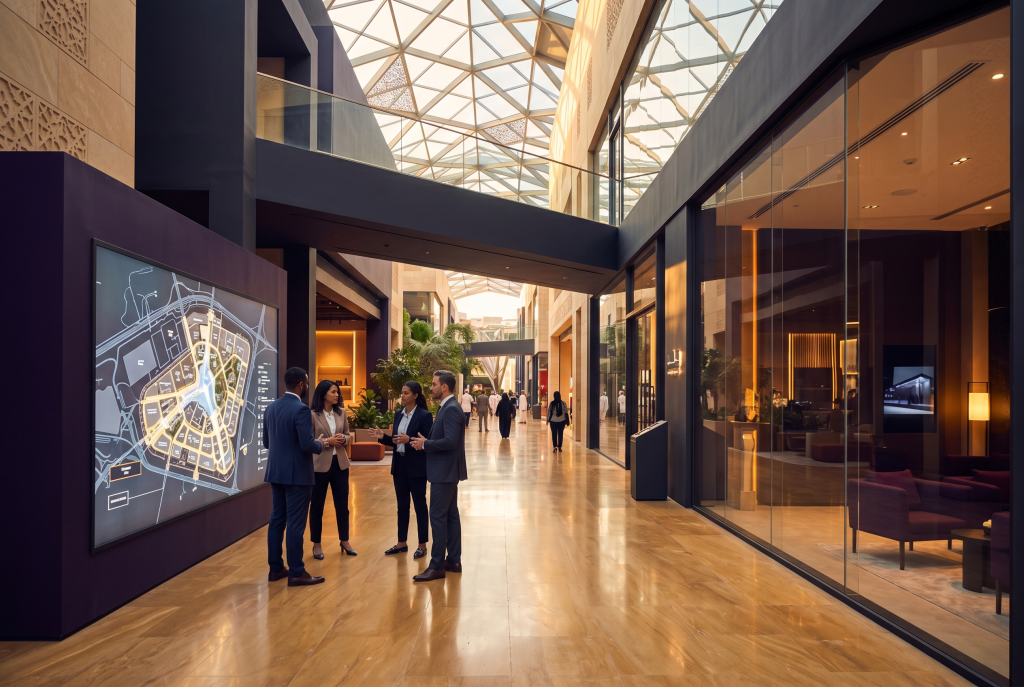
Pavilion services, content, thematic environments, AV and culture.
Commercial and Hospitality
Sponsorship, food and beverage, retail, VIP hospitality and visitor services.
Governance and Advisory

Strategy, finance, programme management, legacy planning and professional services.
Six square kilometres.
Six months.
One window to be ready.
The contracts that earn are awarded from 2027 to 2030. The qualification that decides who wins them is built now. Early positioning is not an option. It is necessary.
The earlier you enter, the more the pavilion carries your hand.
A country in its first steps, before a delivery vehicle is appointed, sits in the highest-value window.
Past that point, you are competing for a position someone else already holds. Timing is the difference between shaping a pavilion and bidding to build one.
Every conversation starts with a 30-minute call.
Tell us the position you are trying to take.
We will tell you whether and how we can help, and what the path to delivery looks like.
If we are not the right fit, we will say so, and point you to who is.